Your pace matters.
Some days you may want to make. Other days, to talk or take things slowly. You can pause, decline an invitation, or ask for a different starting point.
With words. With colour. With something you haven’t found a name for yet.
There is space for all of it here.
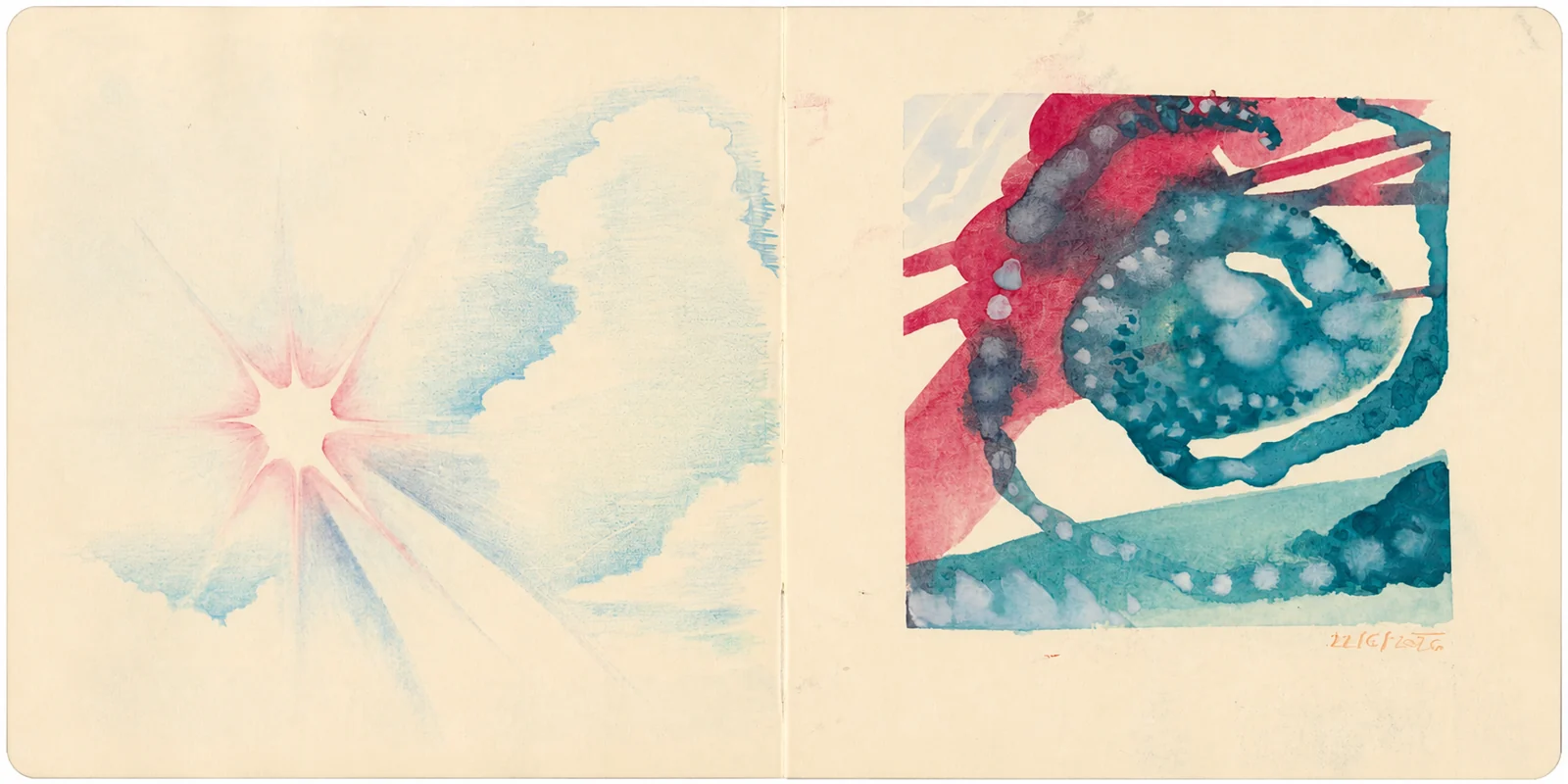
Creative exploration, held within a therapeutic relationship.
Art therapy works with visual art-making. Expressive arts therapy can connect different forms of creativity, such as images, movement, sound, and writing. Alja’s master’s qualification is in Expressive Arts Therapy.
At Little Bulbs, making and talking can sit alongside each other. A colour, a texture, or a story may offer a starting point when a direct question feels hard to answer. The focus is on your experience and what matters to you.
You choose what you share. We might talk about what making something felt like, or simply spend time noticing it together. Your own meanings and associations guide that conversation.
Unlike an art lesson, there is no technique to master or finished picture to get right. You don’t need to think of yourself as creative to begin.
For more about the approach, the International Expressive Arts Therapy Association explains how different art forms can connect (opens in a new tab).
Some days you may want to make. Other days, to talk or take things slowly. You can pause, decline an invitation, or ask for a different starting point.
A colour or image does not have one meaning that someone else gets to decide for you. We stay curious about what the experience means in your life.
Your culture, experiences, access needs, and ways of expressing yourself are part of the conversation. The work begins with getting to know you.
Each session has its own shape.
Here is a little of what it might hold.

Check in and consider what would feel useful today. You can bring something specific or begin without a clear topic.
Try a material, an image, a story, or a conversation. We agree a starting point together, and it can change as you go.
Notice what stood out, discuss what you want to take with you, and make time to close. There is room to review how the work is feeling.
You may be curious about a creative way to explore feelings, change, identity, or belonging.
You do not have to arrive with a label for what you’re experiencing. A first conversation gives us space to hear what brings you here, consider whether this approach suits your needs, and discuss any support already in your life.
Before you decide, you can ask about Alja’s training, the proposed format, fees, privacy, and what working together would involve. If your needs fall outside the scope of this practice, that should be part of the conversation too.
Meet the person behind the practiceJust a little curiosity. We can start there, together.
Enquire about a first session Ask your questions before deciding. No commitment to ongoing sessions.